
Seven Common Home Safety Hazards
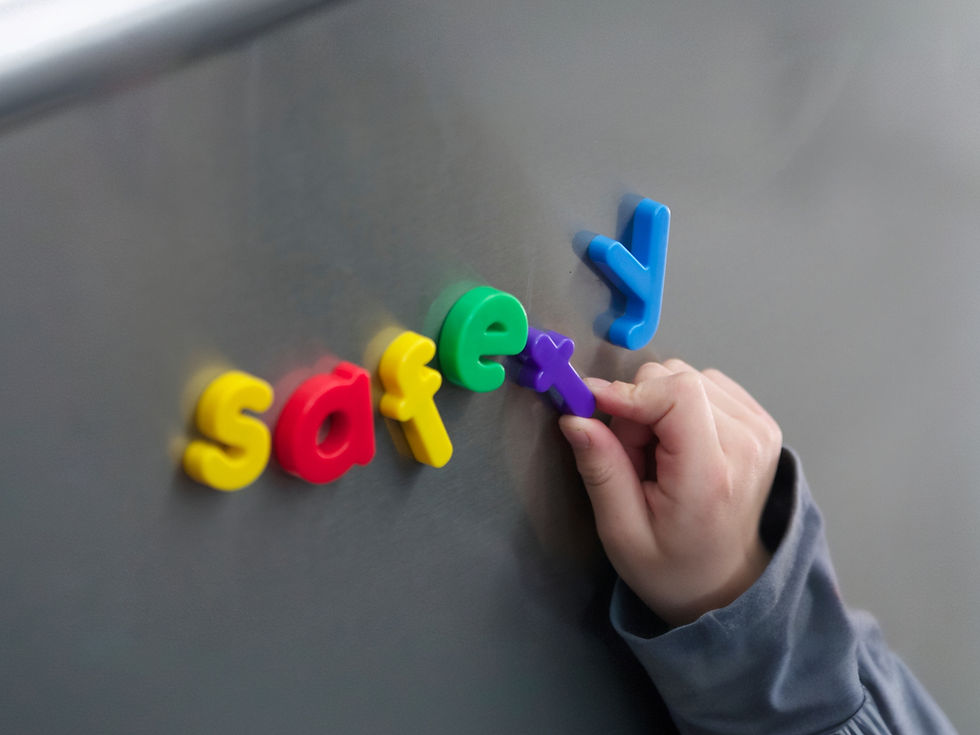
Your home is your safe place. It's where you can go to relax and get away from it all. Unfortunately, your house may also harbor safety hazards that could put you and your family at risk. Watch out for these common household safety issues and take steps to keep your family out of harm's way.
Neglected alarms
Smoke and carbon monoxide detectors won't do you any good if they're not functioning. Test them regularly and change batteries according to the manufacturer's instructions. Make sure they're installed on every level of your home.
Sharp objects
Items with sharp edges can pose a danger to children. Keep knives, razor blades, and other sharp tools and equipment safely locked away or stored out of children's reach.
Fall hazards
Unsecured rugs, cords, toys, and other fall hazards can cause injuries or worse. Make sure rugs are secured with non-slip pads. Keep cords and other trip hazards clear of stairways and walkways. Make sure your home is adequately lit for good visibility.
Harmful substances
Cleaning products, insecticides, medicines, and other potentially harmful substances can be tempting to children and pets. Make sure these items are safely stored away.
Unsecured furniture
Unsecured furniture and equipment — such as dressers, bookcases, and TVs — can tip over and injure people or pets. Anchor top-heavy furniture to a wall stud. Mount TVs to a wall if possible, or secure them to the TV stand.
Clogged dryer vent
Lint build-up in your dryer vent can become a fire hazard over time. Clean your dryer vent at least once per year and clean your lint filter after every load.
Radon
Radon is a naturally occurring gas that can enter your home through gaps in the foundation. Breathing in too much radon can increase your risk of lung cancer. Testing is the only way to determine how much radon is in your home. You can find test kits at your local DIY retailer. You can also hire a qualified radon tester. See radon on the U.S. Environmental Protection Agency website for more information.
Be on the lookout for anything that could become a safety hazard around your home. Keeping your home and family safe should be a top priority year-round.


Comments